


# List of Starship launches. SpaceX Starship during Starship flight test 2. Starship is the latest project in SpaceX’s reusable launch system development program and plan to colonize Mars, and is one …
# List of Starship launches. SpaceX Starship during Starship flight test 2. Starship is the latest project in SpaceX’s reusable launch system development program and plan to colonize Mars, and is one of two landing systems selected by NASA for the Artemis program’s crewed Lunar missions. SpaceX calls the entire launch vehicle “Starship”, which consists of the Super Heavy first stage (booster) and the Starship “SpaceX Starship (spacecraft)”) second stage (ship). There are four versions of the Starship vehicle: Block 1, (also known as Starship 1, Version 1, or V1) which is retired, Block 2, which first flew in Starship flight test 7 and was retired after Starship flight test 11, Block 3, and Block 4, with the latter two in development. As of October 13, 2025, 6 Block 1 vehicles and 5 Block 2 vehicles have flown; with the last Block 1 launch occurring in November 2024 (Starship flight test 6).
航天行业深度分析
1. SpaceX Starship – Wikipedia
# SpaceX Starship. **Starship** is a two-stage, fully reusable, super heavy-lift launch vehicle under development by American aerospace company SpaceX. Currently built and launched from Starbase in Texas, it is intended as the successor to the company’s Falcon 9 and Falcon Heavy rockets, and is part of SpaceX’s broader reusable launch system development program. If completed as designed, Starship would be the first fully reusable orbital rocket and have the highest payload capacity of any launch vehicle to date.
2. SpaceX Starship V3 megarocket prepped for first-ever launch
SpaceX has scheduled the first-ever launch of the V3 Starship for no earlier than May 19, 2026.
3. Starship’s Eleventh Flight Test – SpaceX
This was the final flight of the second-generation Starship and first generation Super Heavy booster, as well as the final launch from the current configuration of Pad 1. Every major objective of the flight test was achieved, providing valuable data as we prepare the next generation of Starship and Super Heavy. The successful first-stage ascent was followed by a hot-staging maneuver, with Starship’s upper stage igniting its six Raptor engines to continue its flight to space. Following stage separation, the Super Heavy booster completed its boostback burn to put it on a course to a pre-planned splashdown zone off the coast of Texas using 12 of the 13 planned engines. Under the same angle of attack tested on the previous flight, the booster descended until successfully igniting all 13 planned engines (including one that did not relight during the boostback burn) for the high-thrust portion of the landing burn. The booster successfully executed a unique landing burn planned for use on the next generation booster.
4. Starship – SpaceX
# SpaceX – Starship. * [Starship](https://www.spacex.com/vehicles/starship). * [Dragon](https://www.spacex.com/vehicles/dragon). * [Falcon 9](https://www.spacex.com/vehicles/falcon-9). * [Falcon Heavy](https://www.spacex.com/vehicles/falcon-heavy). * [Overview](https://www.spacex.com/humanspaceflight/overview). * [Space Station](https://www.spacex.com/humanspaceflight/iss). * [Earth Orbit](https://www.spacex.com/humanspaceflight/earth). * [The Moon](https://www.spacex.com/humanspaceflight/moon). * [Mars & Beyond](https://www.spacex.com/humanspaceflight/mars). [Starshield](https://www.spacex.com/starshield). * [Mission](https://www.spacex.com/mission). * [Careers](https://www.spacex.com/careers). * [Updates](https://www.spacex.com/updates). * [Content](https://www.spacex.com/content). [All Upcoming Launches](https://www.spacex.com/launches). 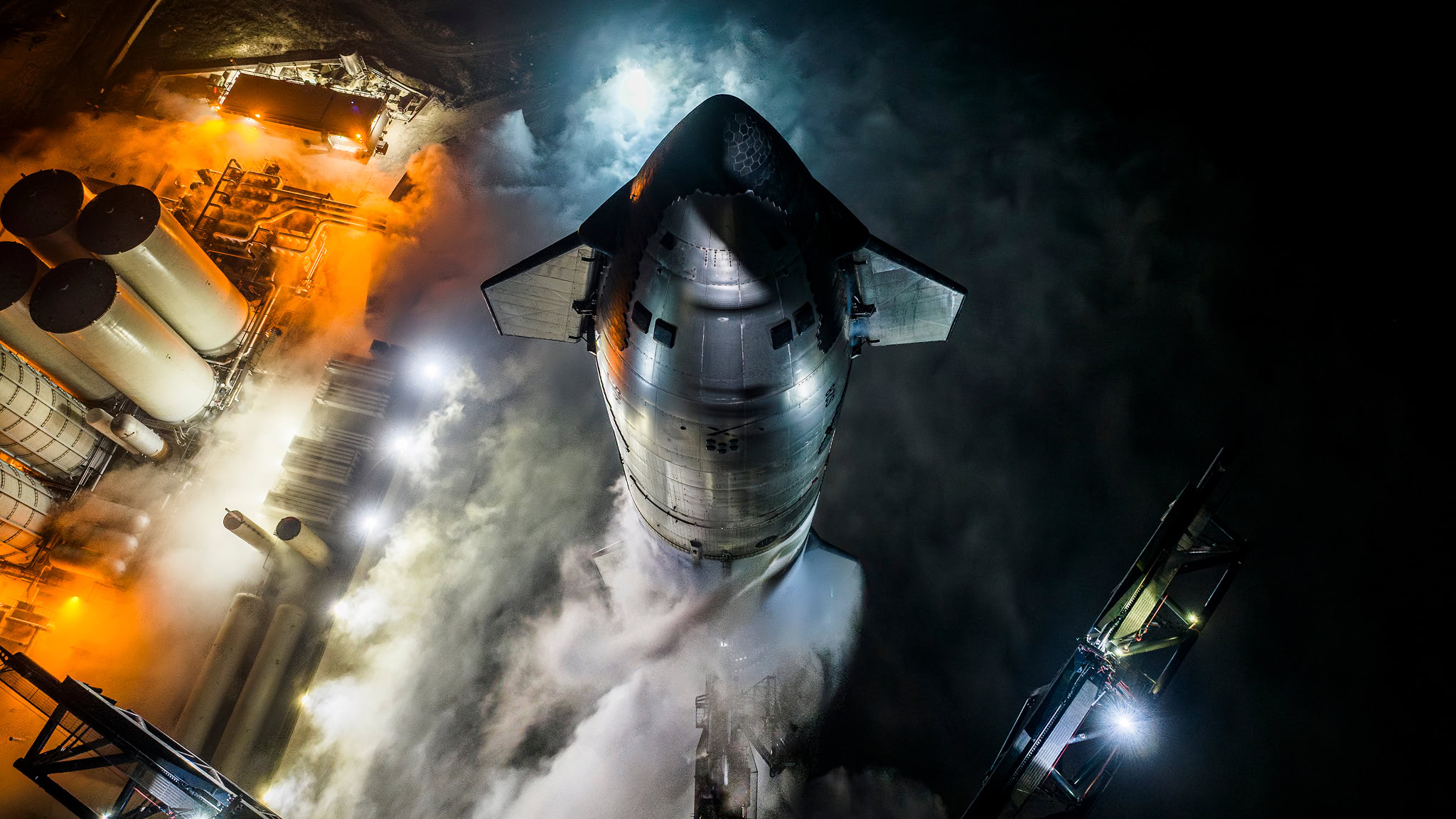. . SpaceX’s Starship spacecraft and Super Heavy rocket – collectively referred to as Starship – represent a fully reusable transportation system designed to carry both crew and cargo to Earth orbit, the Moon, Mars and beyond. Starship is the world’s most powerful launch vehicle ever developed, capable of carrying up to 150 metric tonnes fully reusable and 250 metric tonnes expendable. . . 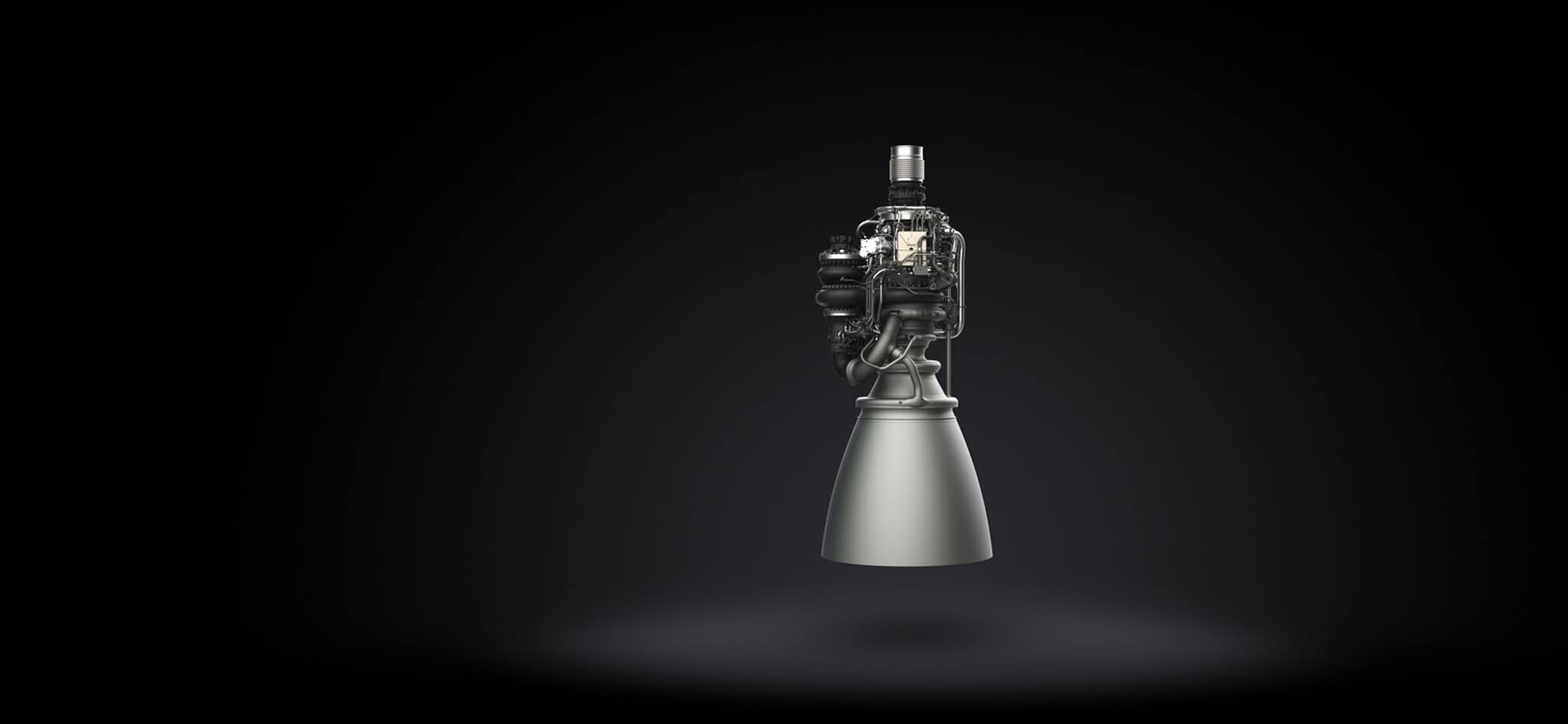
相关推荐
-
List of Starship launches:Wikipedia
# List of Starship launches. SpaceX Starship during Starship flight test 2. Starship is th…
-
Space exploration:Wikipedia
Space exploration is the physical investigation of outer space by uncrewed robotic space p…
-
SpaceX IPO: everything you need to know:Capital.com
. * [News Releases](https://www.nasa.g…
-
2025 News Releases:NASA
### [News & Events](https://www.nasa.gov/news/). * [News Releases](https://www.nasa.g…
-
2025 NASA News Releases
[### News & Events](https://www.nasa.gov/news/). * [News Releases](https://www.nasa.g…
-
2025 News Releases:NASA
[### News & Events](https://www.nasa.gov/news/). * [News Releases](https://www.nasa.g…
-
Spaceflight Now – The leading source for online space news
* [[ April 14, 2026 ] SpaceX launches 1,000th Starlink satellite of 2026 on Falcon 9 rocke…
-
2025 News Releases:NASA
### [News & Events](https://www.nasa.gov/news/). * [News Releases](https://www.nasa.g…
-
SpaceX IPO: everything you need to know
[Trading](https://capital.com/en-int/ways-to-trade)![Image 3](https://static.capital.com/c…